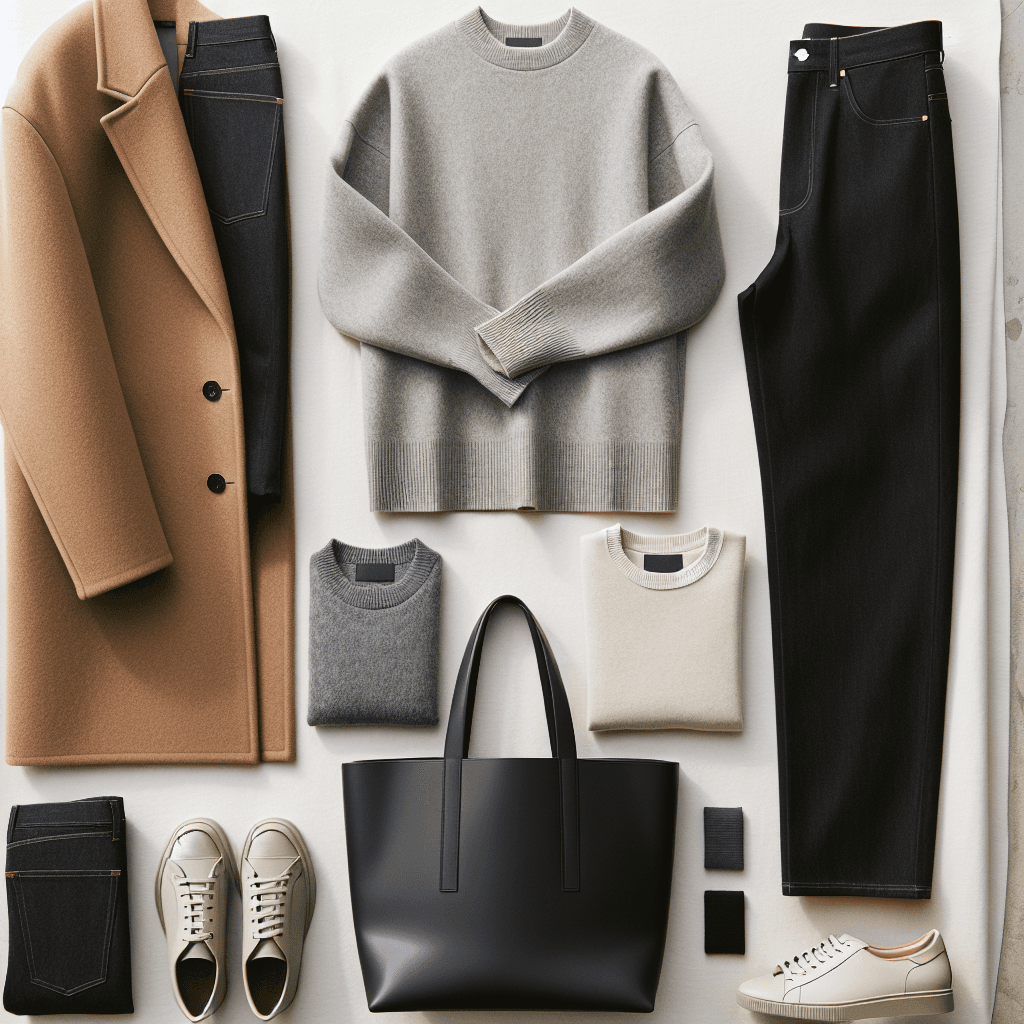
Why a capsule wardrobe matters
In the apparel and fashion space, many people are shifting from trend-driven shopping toward pieces that deliver reliable performance, season after season. A capsule wardrobe—essentially a curated set of versatile garments that mix and match seamlessly—addresses a common problem: having a closet full of clothes and still feeling like there’s nothing to wear. By streamlining choices to items that fit, flatter, and function across situations, you lower the cognitive load of getting dressed while elevating consistency and personal style. This is where arket.com’s blend of Scandinavian minimalism and pragmatic design can be especially useful. The brand emphasizes considered materials, practical details, and a coherent color story, all of which help you assemble a wardrobe that feels intentional rather than incidental. Instead of chasing micro-trends, you focus on silhouettes and fabrics that support daily life: crisp cotton shirting that layers under knits, ribbed or Milano-stitch sweaters that hold shape, and outerwear tuned for seasonal shifts. The options available at arket.com help reduce decision fatigue by presenting clean lines, neutral palettes, and consistent fits across categories, making it easier to build a cohesive closet over time. A capsule doesn’t have to be small or austere; it should simply be intentional. That could mean a rotation anchored in black, navy, and stone with subtle injections of olive or burgundy, or it could mean warm neutrals with one accent hue you love. Across menswear and womenswear, you’ll find cornerstones like organic-cotton tees, poplin and oxford shirts, straight-leg denim, pleated trousers, merino or lambswool crewnecks, trench coats, tailored wool coats, and smart sneakers. The idea is to create a system: tops and bottoms that pair easily, mid-layers that add warmth and texture, and outer layers that protect against weather without overpowering an outfit’s proportions. Because many pieces come in stable, recurring cuts, you can refine fit once and revisit the same silhouette in different colors or fabrics. The result is a practical wardrobe that supports work, weekends, and travel with fewer, better decisions.
Key pieces and fabric choices
A successful capsule wardrobe balances foundation items with a few distinctive layers. For everyday tops, look for organic-cotton T-shirts in mid-weight jerseys that feel substantial under a blazer but remain breathable solo; slightly heavier cotton can improve longevity and drape. For shirts, poplin offers crisp structure for office settings, while oxford or brushed cotton adds texture and warmth for casual days. In knitwear, extra-fine merino tends to be smooth, breathable, and office-friendly; lambswool provides loft and a more casual handfeel; and heavier Milano stitches deliver a jacket-like structure in cardigan or polo silhouettes. Trousers should complement your torso proportions: pleated or straight-leg cuts often balance a range of body shapes, while higher rises work well with tucked shirts and cropped or hip-length knits. Denim in a straight or slim-straight cut can match nearly anything; consider mid-weight, rigid or comfort-stretch options depending on preference. For outerwear, trenches excel in transitional months, wool coats bring polish to winter looks, and lightweight parkas or quilted jackets provide practical warmth without bulk. Footwear anchors everything: leather or vegan-leather sneakers for modern smart-casual, loafers or derby shoes for more formal moments, and boots for weatherproof versatility. Color strategy is central to mix-and-match success. Building around a core palette—black, grey, navy, stone, and white—helps most pieces integrate seamlessly. Once your base is strong, add restraint with accents: one or two hues that echo across a sweater, scarf, or shirt. This approach streamlines outfit assembly and preserves longevity, because neutrals and classic colors weather trends gracefully. Pay attention to construction touches such as neat hems, reinforced pockets, flat seams on jersey, and dependable zippers. Quality care matters too: cool machine washes where the fabric allows, mild detergents, flat drying for knits, and periodic depilling to keep wool crisp. Leather benefits from occasional conditioning and proper storage with shoe trees. As you start selecting items, you can explore offers that align with your palette and silhouette plan rather than impulsively adding duplicates. Think in mini-capsules to clarify use cases: an office trio (tailored trousers, poplin shirt, merino crewneck), a weekend set (jeans, heavy tee, quilted liner), and a travel uniform (stretch chinos, breathable knit polo, lightweight parka). The consistency across categories makes it easier to refresh or expand without disrupting your overall look.
How to build and refine
Start by auditing what you already own. Identify your most-worn silhouettes and colors, then note what consistently goes unworn and why—fit, fabric, or function. From there, sketch a focused list of essentials: perhaps two smart trousers, two pairs of jeans, three to four tops across dress and casual, two knits for different temperatures, one versatile sneaker, one leather shoe, and one to two coats that match your climate. Establish a color framework that supports easy pairing; neutrals can carry an accent scarf or knit without becoming visually noisy. When shopping, prioritize fit and fabric over novelty. Verify measurements against your body or a well-fitting garment, and consider how the piece will layer. Decide if you prefer a neater shoulder and tapered sleeve for wearing under blazers, or a relaxed drop shoulder for a contemporary, casual silhouette. Test mobility: can you reach forward, sit comfortably, and move without pulling? Washing and care are part of the plan: choose fabrics aligned with your maintenance preferences, whether that’s machine-washable knits or outerwear that benefits from occasional professional cleaning. To minimize missteps, consult size charts and garment measurements on the official site, read material compositions, and think about seasonal role—does this coat fit over a thick sweater, or is it best for mild days? Photograph trial outfits at home to check proportions and color balance. If a piece is almost right, modest tailoring can unlock longevity: hemming trousers, adjusting sleeve length, or tapering slightly to clean the line. Store knits folded to prevent shoulder bumps, rotate your shoe pairs to extend their life, and use garment brushes to refresh wool between wears. Create outfit formulas to make mornings simple, like “smart trouser + merino knit + clean sneaker” or “straight denim + tee + trench,” and vary texture or color accents within the formula. Periodically review and refine: replace heavy lifters before they fail, and let go of items that don’t earn their place. With this cycle—plan, select, test, and maintain—you develop a wardrobe that keeps pace with your calendar without constant reinvention.
Bringing it all together
A well-planned capsule wardrobe reduces noise and emphasizes garments you genuinely enjoy wearing. By leaning into clean silhouettes, disciplined color choices, and durable materials, you create a set of pieces that adapt to work, weekends, and travel without constant additions. The coherence of Scandinavian-inspired design—crisp shirting, structured knits, versatile denim, and polished outerwear—makes it easier to assemble outfits that feel intentional and contemporary. As you shortlist items, measure carefully, consider how layers interact across temperatures, and build around dependable fabrics such as organic cotton and fine-gauge wool. Think in small, functional clusters to address your real-life scenarios, from desk-to-dinner outfits to carry-on-friendly travel sets. Maintain your investment with mindful care: cool washes where appropriate, flat-drying knits, shoe conditioning, and seasonal storage that preserves shape and texture. Over time, reviewing what you reach for most will guide smart refreshes and prevent duplicates. The result is not a restrictive uniform but a practical system that supports personal style and consistent dressing with less effort. If you’re ready to refine your closet, use this framework to identify gaps, choose materials that match your lifestyle, and build a wardrobe that feels cohesive today and resilient for seasons ahead.