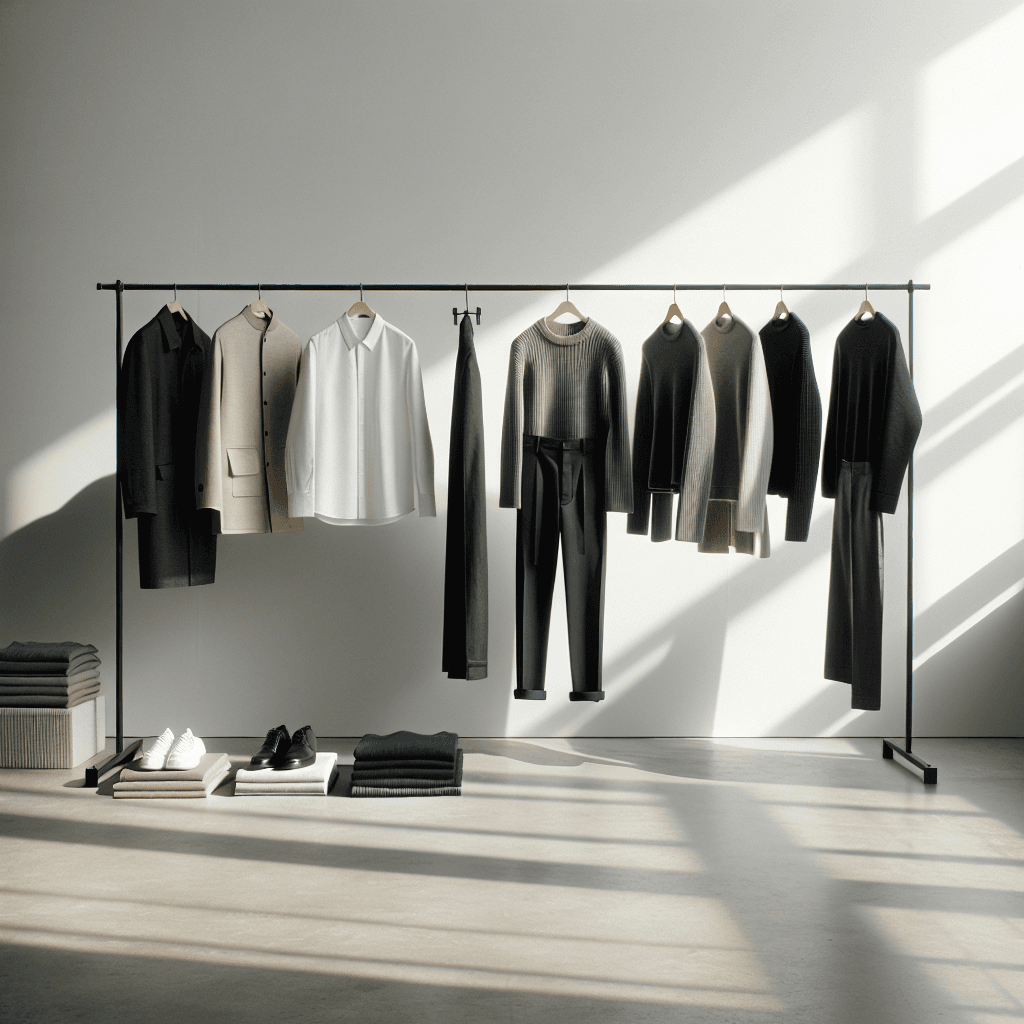
Why capsule wardrobes matter
A capsule wardrobe reduces decision fatigue, clarifies personal style, and stretches the value of every purchase. In the apparel-fashion space, the idea is simple: choose a small set of versatile pieces that mix and match effortlessly, then wear them often and well. When the foundation of a closet is built on neutral colors, thoughtful silhouettes, and quality materials, outfits come together quickly for work, weekends, and events without a cluttered rack or last-minute panic. This approach resonates in an era of mindful consumption and busier schedules, where dressing with purpose can save both time and money over the long term. Brands known for considered design can be helpful guides, and options from cos.com align neatly with this philosophy: clean lines, a modern palette, and fabrics that hold their shape. The capsule concept also acknowledges that style evolves. Rather than chasing rapid trends, it encourages a framework of reliable staples—such as a structured coat, a crisp shirt, coherent knitwear, tailored trousers, and a versatile dress or two—so seasonal accents can come and go without undermining cohesion. If your closet currently feels disorganized, repetitive, or hard to coordinate, a capsule can reset the baseline and highlight what you actually reach for. It also helps identify gaps with clarity: perhaps a better-fitting blazer would unlock more use from your dresses, or an elevated sneaker could tie together casual looks. Even color choices become easier; settling on a core palette (for example, black, charcoal, navy, and off-white) ensures nearly everything harmonizes across seasons. This doesn’t mean restricting personality—rather, it provides a steady canvas where texture, proportion, and the occasional statement piece shine. The outcome is a wardrobe that supports daily life, travels well, and resists single-wear purchases. With careful curation, you will find that fewer items can yield more looks, and that reliability becomes a style in itself.
Key pieces, fabrics, and fit
The most effective capsule wardrobes start with a shortlist of dependable categories: outerwear, shirting, knitwear, pants or skirts, at least one multipurpose dress or jumpsuit, and footwear that moves easily between settings. COS often exemplifies this mindset with structured coats, neatly tailored trousers, fluid blouses, and ribbed knits that layer cleanly. Focus first on silhouettes that suit your proportions. For example, if your frames favor length, a longline coat and wide-leg pant can elongate; if you prefer definition, a belted dress or lightly nipped blazer can bring shape without fuss. Shoulder seams that meet the bone, sleeves that allow a comfortable bend, and hems cut to flatter your preferred shoe heights all improve wearability. When evaluating fabrics, prioritize hand-feel and resilience. Cotton poplin and mercerized cotton hold crisp structure; wool and wool blends lend warmth and drape; linen brings breathability; and regenerated or recycled fibers can add durability with a lighter footprint. Midweight knits are particularly versatile because they work solo or layered under coats. Subtle texture—ribbing, twill, or brushed finishes—creates interest without compromising the quiet versatility a capsule benefits from. Colors matter too. Selecting a grounded palette (say, black, navy, gray, white, and one accent like olive or rust) keeps everything compatible. That way, a charcoal coat, navy trousers, black knit, and white shirt can rotate through dozens of combinations. For practical browsing, size and fabric filters on the official site can help you compare options quickly, while product measurements and model notes guide expectations on length and volume. Consider care requirements alongside purchase decisions: machine-washable shirting and durable knits simplify weekly routines, while dry-clean-only pieces may be best reserved for outerwear or special-occasion tailoring. Over time, the most worn items will reveal themselves—those are the ones worth duplicating, adjusting in a second color, or upgrading to a premium fabric for even longer life.
How to build yours now
Begin with a clear edit. Pull everything from your closet and group items by category: tops, knits, tailoring, bottoms, dresses, outerwear, and shoes. Try pieces on with the shoes and layers you actually wear. Ask whether each item fits comfortably, pairs easily with at least three other pieces, and suits your current lifestyle. Anything that fails these checks should be donated, sold, tailored, or set aside for specialty occasions. Next, set your palette. If your existing wardrobe is mostly black, navy, and white, lean into it; if warm earth tones dominate, build around camel, brown, cream, and olive. Aim for eight to twelve foundational garments to start: one structured coat, a blazer or overshirt, two shirts or blouses, two knits, two bottoms, and one versatile dress or jumpsuit. Add footwear that complements both trousers and dresses—minimal sneakers, leather loafers, and a refined boot are strong candidates. Measurements make or break a capsule, so note inseams, sleeve lengths, and shoulder widths that suit you. Many modern pieces are designed with volume; if that appeals, balance it by pairing oversized knits with tapered trousers, or wide-leg pants with a neater top. When shopping, consider weight and seasonality. A trans-seasonal wool coat, all-year poplin shirts, and mid-gauge knits offer excellent mileage. Accessories deserve discipline: opt for one or two belts, a structured tote, and a compact crossbody, all in the same color family to reduce friction when you dress in a hurry. To avoid impulse buys, create a short wish list and wait a few days before purchasing. Check size guides, read fabric composition carefully, and look at garment care. When timing is right, review new arrivals and curated edits to explore offers that fill genuine gaps rather than duplicating what you own. After assembling the capsule, test-drive it for two weeks: rotate outfits for work, casual plans, and a dressier evening, noting any friction—perhaps you need a lighter knit for layering or a smarter flat for long days. Fine-tune with tailoring or a targeted pickup, then commit. The goal is fewer, better choices you reach for without thinking.
Final thoughts and takeaway
A capsule wardrobe is not about restriction but reliability and clarity. By centering your closet on versatile silhouettes, coherent colors, and thoughtful fabrics, you create a framework that makes daily dressing uncomplicated and consistently polished. COS’s modern essentials—structured outerwear, clean shirting, refined knits, and tailored separates—lend themselves well to this approach because they combine ease with a contemporary look that endures beyond a single season. Start by auditing what you own, choose a palette that reflects how you live, and invest in the fits and materials you prefer to wear often. Then, add selectively over time as your needs evolve. With a focused plan, you will find that a compact edit can deliver a surprising range of outfits for work, weekend, and travel. The result is a closet that feels intentional and dependable, where each piece earns its place and supports the kind of style that endures.