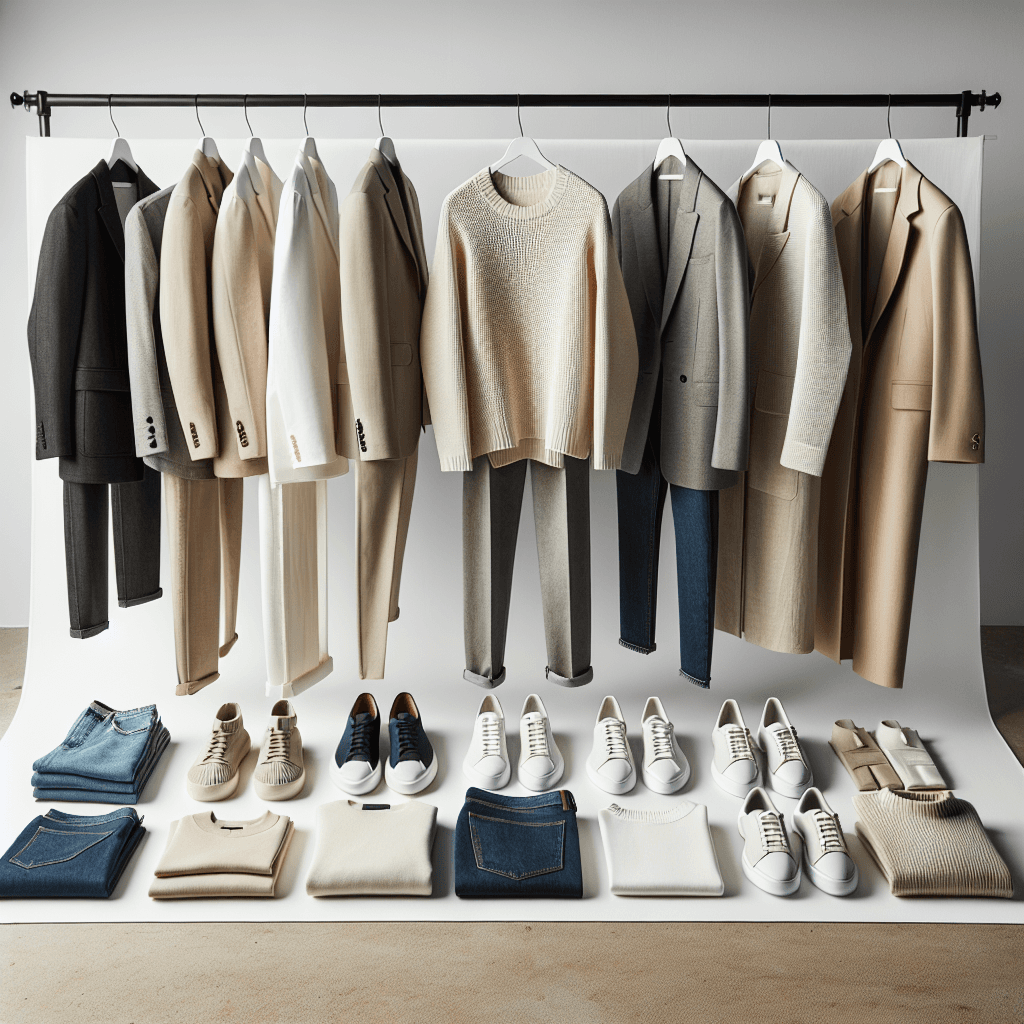
Why a versatile wardrobe matters
In the apparel-fashion space, most people want clothing that works hard without feeling repetitive or dated. A versatile wardrobe gives you that balance. It is less about owning a large number of items and more about choosing pieces that mix, match, and perform across different settings—from the office to weekends and evenings out. This approach helps you cut decision fatigue, save time in the morning, and get more value from every purchase. It also supports a mindful way of dressing: when more of your clothes pair well together, impulse buys have less appeal, and you can focus on what you actually wear. For shoppers who want accessible prices, on-trend silhouettes, and a wide size and style range, many start with hm.com, where basics and seasonal statements sit side by side. That mix makes it easy to assemble foundations—such as a great white shirt, straight-leg jeans, and a refined knit—while also adding personality through color, print, or a standout jacket. Building versatility begins with clarity about your lifestyle. If your week leans professional, you may need tailored trousers and a blazer that layers over tops and dresses. If your routine is casual, lean on durable denim, easy tees, and a hoodie or chore jacket that can handle movement. Climate matters, too: transitional layers like lightweight trench coats, cardigans, and overshirts keep outfits adaptable when temperatures change. A unified color story helps everything work together. Neutrals—black, navy, gray, beige, or off-white—create a grounded palette that simplifies pairing. Then, you can add selective accent shades that suit your skin tone and personal style. Fit is just as important as fabric and color. The best pieces are the ones you feel comfortable wearing again and again. Consider how you move in your clothing, not only how it looks in a mirror. Many wardrobes benefit from a balance of relaxed and tailored fits; for example, a slightly oversized blazer sharpens casual denim, while a closer-fitting knit balances wide-leg trousers. Investing attention in material composition also pays off. Cotton poplin and twill hold structure, viscose and modal drape smoothly, and wool blends bring warmth. A careful mix ensures your wardrobe feels seasonally appropriate without a total overhaul every few months. With the right building blocks, you create outfits that reflect your day-to-day life—and you do it with fewer, more adaptable items.
Key pieces and smart choices
A strong capsule starts with dependable foundations. On hm.com, you’ll find core categories like shirts, tees, denim, knitwear, dresses, and outwear that can anchor a wide range of looks. A crisp button-up shirt works under blazers, over tanks, or open as a light layer. A structured tee holds shape when tucked into trousers or jeans. Straight-leg denim in a mid-wash offers versatility across dress codes, while black jeans serve as an easy after-dark option. For knitwear, a fine-gauge crewneck or turtleneck slides smoothly under blazers and coats without bulk, and a soft cardigan can replace a jacket indoors. Dresses are equally useful; a knit midi or tailored shirt dress moves from day to evening with a change of shoes and accessories. Silhouette variety ensures your outfits never feel flat. Pair tailored bottoms with relaxed tops—or reverse that equation. High-rise trousers lengthen the leg and support cropped knits; wide-leg cuts bring fluidity, while tapered options provide polish. For outerwear, a trench or minimalist wool-blend coat offers longevity and takes on different personalities depending on what you layer beneath. Shoes also shape the mood: clean sneakers keep things easy, loafers add slightly more formality, and ankle boots step in for cooler months. Thoughtful accessory choices—belts, simple jewelry, and structured bags—tie everything together without overwhelming your core silhouettes. Shopping strategically keeps your wardrobe cohesive and your budget in check. Start with a shortlist of gaps: perhaps a second pair of trousers to rotate during the workweek, or a neutral knit to replace an aging sweater. Check product descriptions for fabric composition, garment care, and key details like inseam length, shoulder width, and closures. Read customer feedback where available, and compare size charts with your measurements to reduce returns. Seasonal schedules can be helpful: the site often highlights new arrivals at the start of a season and features promotions around peak shopping periods. For time-sensitive deals and curated picks, it can be useful to explore offers directly before you finalize a shortlist. Keep in mind that pricing, availability, shipping options, and return policies vary by region and may change over time, so review current terms before purchasing. Many shoppers also look at material choices that align with their preferences. You’ll see options that include recycled or organic fibers alongside conventional fabrics. Consider how each fabric performs in your climate, and choose care routines you can realistically maintain. By combining consistent silhouettes, a manageable color palette, and fabrics suited to your lifestyle, you turn individual items into a coherent, long-wearing closet.
Plan, budget, and maintain
Turning ideas into a wardrobe you love is easier when you work in steps. Begin by assessing what you wear most in a typical week. If three of five days call for smart-casual looks, prioritize pieces like a tailored blazer, structured knit, and trousers with pockets and belt loops. If weekends are outdoorsy, ensure you have durable denim, breathable tees, and a weather-ready layer. Write down two or three silhouettes that consistently make you feel put-together—perhaps straight-leg jeans with a cardigan, a shirt dress with loafers, or wide-leg trousers with a tucked tee—and use those as templates when you browse. As you refine your plan, check measurements rather than relying only on familiar sizes. A tape measure and five minutes can save time later: note your chest, waist, hips, shoulder width, and a favorite garment’s length for comparison. Cross-referencing these with the site’s size charts helps you choose more confidently. Budgeting benefits from a phased approach. Allocate most of your spend to high-rotation foundations you’ll wear weekly, then add one or two seasonal updates that lift existing outfits. This could be a new blazer colorway, a textured knit, or a statement dress that still works with your core shoes and coat. If something catches your eye but doesn’t integrate with at least three outfits you already own, pause and reconsider. When in doubt, sit on the decision for twenty-four hours; if it still feels essential and pairs well with your wardrobe, proceed. As you browse categories and compare options, you can always visit the official site to verify current colors, fabrics, and stock. Care and upkeep protect your investment. Follow garment labels closely, and consider a gentle detergent for knits and dark colors. Air-drying certain items helps them hold shape and reduces wear from heat. A handheld steamer smooths shirts, dresses, and tailored pieces without the shine that can come from over-pressing. At season changes, store coats and knitwear cleaned and fully dry; use breathable garment bags for delicate items. Small maintenance steps—like mending a loose button or de-pilling a sweater—extend the life of what you own and sustain that just-bought look. Over time, track which items outperform the rest; when you notice that a particular trouser cut or knit style gets the most use, duplicate it in another neutral or a favorite accent shade. This feedback loop keeps your wardrobe aligned with your daily needs and ensures new additions earn their place.
Final thoughts and next steps
A versatile wardrobe does not demand a closet full of options; it asks for the right options. By anchoring your closet with reliable foundations and introducing thoughtful accents, you keep outfits fresh without constant reinvention. When you approach shopping with a plan—favoring cohesive silhouettes, a restrained color palette, and materials that fit your climate—you reduce friction and increase wear per item. Checking measurements, reading product details, and considering care needs all contribute to better long-term value. As you evaluate choices on hm.com, remember that promotions, delivery methods, and returns vary, so it’s wise to review current terms and availability in your region. Build in phases, evaluate what you reach for most, and maintain your clothing so it continues to look and feel good. With clear priorities and consistent habits, you can assemble a wardrobe that adapts to workdays, weekends, and special occasions while staying true to your personal style.