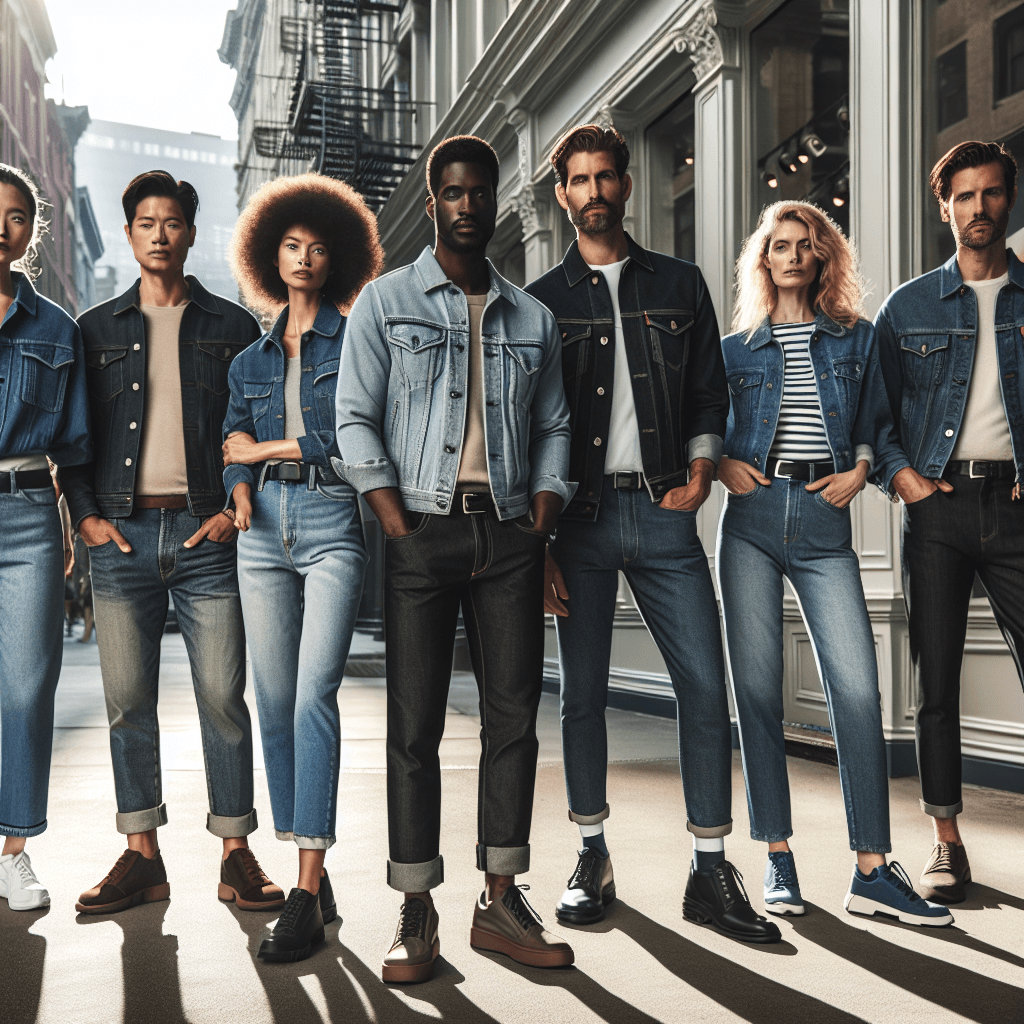
Why fit is the first decision
In the apparel-fashion category, denim is a reliable constant: it pairs with nearly everything, adapts across seasons, and spans dress codes from casual to creative office. Yet the simplicity of jeans is deceptive. One of the most common style frustrations is finding a pair that truly fits—through the waist and seat, along the thigh, and at the hem—without compromising on comfort or personal style. Levi’s, a pioneer of modern denim, offers a wide spectrum of silhouettes and fabric compositions, which is liberating but can also be overwhelming if you are not sure where to start. The good news is that a methodical approach—understanding rises, leg shapes, fabric stretch, and wash—can quickly narrow your options to a short list of dependable favorites. Choosing the right Levi’s fit starts with recognizing how you like your jeans to drape on the body. Do you prefer a classic straight leg that neither clings nor billows, or a closer slim that follows the leg with a bit of taper? Are you drawn to the structure of rigid denim that softens over time, or the immediate ease of stretch blends? Beyond the silhouette, details like rise height (how the waistband sits on your torso) and inseam (the leg length, which influences stacking or break over your shoes) shape the overall look. Washes—from raw indigo and saturated black to sun-bleached fades—also shift the mood of an outfit, affecting how polished or relaxed your jeans read in different settings. Levi’s naming and numbering conventions can be helpful landmarks. Iconic models like the 501 Original draw on a straight-leg heritage that feels timeless; slim and tapered families move in a more contemporary direction; and high-rise options in women’s collections deliver structure and definition at the waist. If you shop online, product pages and filters are designed to help you compare silhouettes, fabric stretch levels, and inseam lengths side by side. For a quick overview of current fits and washes, visiting the product pages on levi.com can help you align your preferences to the available options before you buy. This guide explains the essential components of fit, fabric, and finish so you can zero in on the Levi’s styles that feel and look right. We will also cover practical next steps—how to measure yourself, evaluate break-in, care for denim, and build a streamlined rotation—so your jeans serve you well across workdays, weekends, and travel.
Understanding silhouettes, fabric, and wash
Most fit decisions fall into a few core categories. Straight fits run from hip to hem with an even profile, which creates clean vertical lines and works across many body types. Slim fits follow the leg more closely without being tight; they pair neatly with sneakers and boots and can read either casual or smart-casual depending on the wash. Skinny or close-cut options hug the leg and emphasize footwear and proportion, especially with longer tops or cropped jackets. Tapered fits are a hybrid: they allow room through the thigh but narrow from knee to hem for a tailored look that modernizes classics. Relaxed and loose profiles add ease and movement, and can balance roomier tops. Bootcut and slight flares open at the hem for visual balance over chunkier boots or retro-inspired sneakers. In women’s collections, high-rise straights and structured wide-legs can define the waist while lengthening the leg line. Fabric composition shapes comfort and longevity. Rigid denim—often 100% cotton—starts structured, gradually softening and molding to your frame with wear; it’s well-suited to classic fits and those who enjoy the break-in experience. Stretch denim blends (for example, cotton with elastane or other fibers) add immediate comfort and mobility, which many prefer for slimmer cuts. Fabric weight, measured in ounces per square yard, also matters: lighter weights feel breathable and pliable, midweights balance structure and comfort for year-round use, and heavier weights emphasize durability and crisp shape retention. If you favor cuffing, a mid-to-heavier weight creates a satisfying roll and silhouette definition. Washes and finishes fine-tune the formality and character of your jeans. Raw or dark indigo reads sharp and pairs easily with shirting or blazers. Medium fades convey a vintage sensibility and casual ease. Light washes suggest summer, travel, and relaxed outfits; black denim adds versatility for night or a minimal tonal palette. Subtle whiskering and abrasion can add depth; cleaner finishes feel more polished. Levi’s also offers garments made with varying levels of stretch and techniques intended to conserve water resources during finishing. If you are comparing across price points or collections, you can explore offers during seasonal refreshes to see how different washes and fabrics align with your budget and wardrobe goals. Construction details bring the fit together. Rise height influences comfort when seated and the visual position of your waistline; choose based on torso length and personal preference. Inseam determines the break over shoes—stacking for a streetwear look, a slight break for a classic line, or a cropped ankle for a clean, modern edge. Leg opening affects proportion with footwear; a narrower opening sharpens sneakers and slim boots, while a slightly wider opening balances chunkier soles. Pocket placement, button vs. zip fly, and stitching color are subtler cues that add up to an overall impression.
How to measure, try on, and style
A few measurements will make your search more efficient. Use a soft tape to note your natural waist (around the narrowest point), hip (fullest part), thigh (just below the seat), and inseam (crotch seam to floor or to your ideal break length). Cross-reference these with size charts to identify a starting point; then consider how fabric stretch and rise may change the feel. If you are between sizes in a rigid pair, many choose the larger size for comfort during break-in; in stretch pairs, you might opt closer to your exact measurement for a neat line. When trying on at home, sit, stand, and move; check how the waistband feels after a few minutes and whether the thigh is comfortable. Look at the leg opening with the shoes you wear most, and assess how a single or double cuff changes the silhouette. To build a reliable rotation, start with one dark-wash straight or slim for versatility, then add a tapered or relaxed option for variety. For women seeking definition, a high-rise straight or structured wide-leg can anchor polished looks with button-downs and blazers. If your wardrobe leans casual, a light or medium wash complements sweatshirts, knits, and canvas sneakers; black denim supports monochrome outfits and pairs elegantly with leather boots. A classic trucker jacket adds layering potential over tees and hoodies. Care habits extend the life of your denim: wash inside out on cold with mild detergent when needed, avoid excessive heat in the dryer, and air dry to preserve color and shape. Spot clean between washes, and consider simple repairs like darning or patching to keep favorites in rotation longer. Online shopping is easier when you use filters for fit, rise, stretch, and inseam and compare side by side. Read material composition and fabric weight, check customer notes on stretch and shrinkage, and look for size guidance tools. If tailoring is part of your plan, choose inseams slightly longer than your target and hem to your preferred break. Keep a small checklist: the activities you do most in jeans, the shoes you wear most often, and your preferred rise and leg shape. For any final sizing questions, size charts and fit tips hosted on the brand’s official site can help you confirm details before checkout. Over time, you will likely find two or three silhouettes that cover most scenarios: one crisp and refined, one easygoing and casual, and one trend-forward option. With those in place, your denim becomes a simple, dependable foundation rather than a weekly game of trial and error.
Key takeaways and next steps
Finding the right Levi’s denim comes down to three fundamentals: silhouette, fabric, and finish. Start by deciding how you want your jeans to drape—straight for balance, slim or tapered for a sharper line, relaxed for a roomier vibe, or high-rise and wide-leg for structured definition. Then match that shape with the fabric behavior you prefer: rigid cotton that molds with wear, or stretch blends that feel broken in from day one. Finally, choose a wash that fits your routine—dark for versatility, medium for vintage ease, light for casual outings, or black for a minimal, dress-it-up option. A few well-chosen measurements, a clear idea of your shoe rotation, and a willingness to test cuffing or hemming will fine-tune the look. Thoughtful care—cold washes, inside-out, and air drying—helps denim maintain color and structure. Build a small, purposeful lineup so you always have a pair for weekday polish, weekend comfort, and evenings out. With these steps, you can approach Levi’s styles confidently, compare options efficiently, and assemble denim that fits both your body and your life.