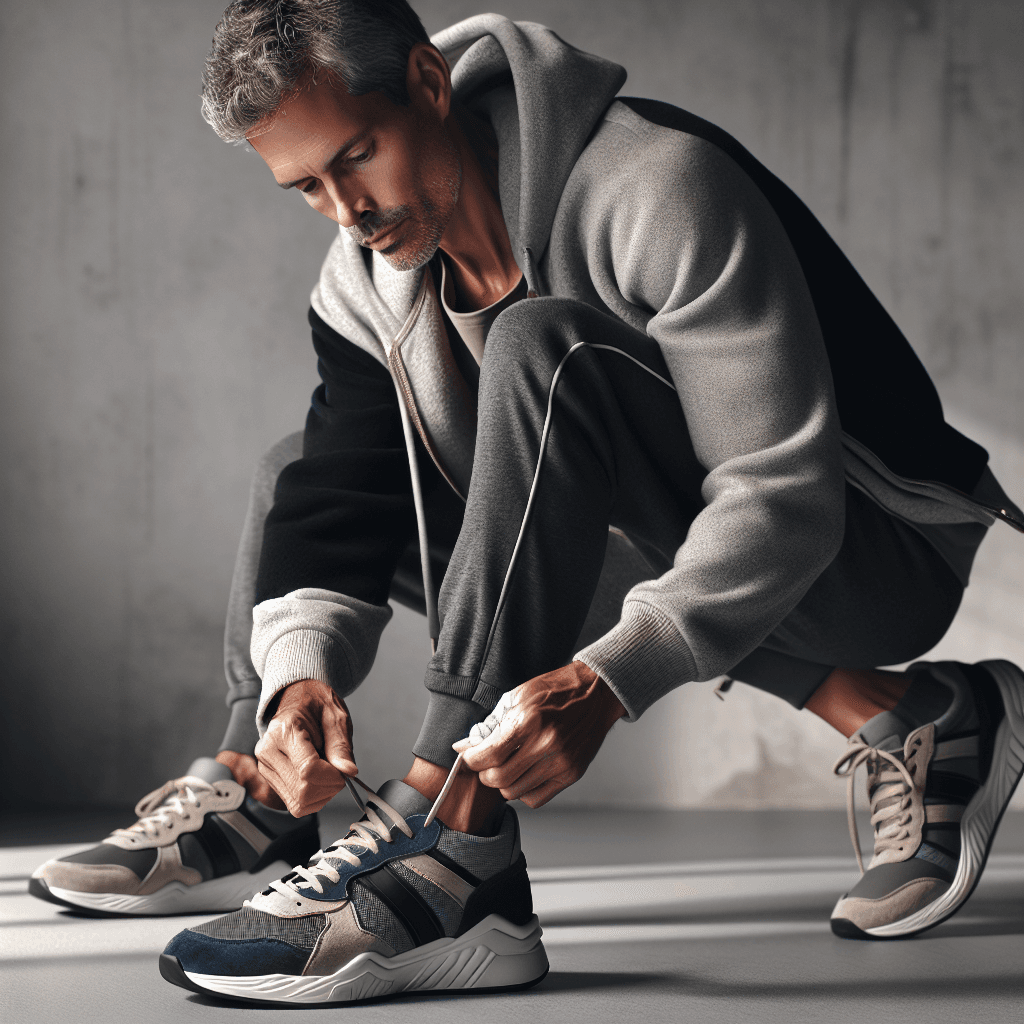
Finding the right New Balance fit
Choosing the right pair of New Balance shoes starts with understanding how your lifestyle, foot shape, and fit preferences intersect with the brand’s broad range of styles. In the apparel-fashion category, sneakers are more than performance gear; they’re an everyday essential that must balance comfort, durability, and design. New Balance is well known for versatile silhouettes that move between athletic and casual settings, alongside one of the widest size and width ranges on the market. That breadth is a strength, but it also means the selection process can feel overwhelming without a clear plan. The core question to ask is simple: how will you use them? For long city walks and travel, you’ll want steady cushioning and reliable traction. For running or gym sessions, a responsive midsole and breathable upper might serve you better. And for lifestyle wear, materials and styling—think suede, leather, or retro runners—often take priority while still maintaining day-long comfort. Fit is a second, equally important pillar. Many shoppers know their length but not their width; if shoes often feel tight across the forefoot or too loose through the heel, width may be the missing piece. New Balance commonly offers multiple widths across key models, which helps achieve a tailored feel without moving up or down a full size. Understanding your foot shape—narrow, standard, or wide—plus arch height and instep volume will help you zero in on models that accommodate you comfortably. Because sizing can vary slightly by last (the form a shoe is built on) and upper material, it’s wise to compare the brand’s fit guidance and read product details before you check out. If you’re deciding between two sizes, many people find it useful to compare internal lengths and try on with the socks they plan to wear most. When shopping online, you can preview model families, cushioning types, and width options directly on the brand’s product pages, and confirm availability or colorways on the official site. Taken together, a well-matched use case and an accurate fit profile will quickly narrow dozens of options into a focused, confidence-inspiring short list.
Key features and model guide
Once you’ve defined where and how you’ll wear your shoes, the next step is understanding the features that create comfort and support. Midsoles do most of the underfoot work, and New Balance uses a range of foam blends that aim to balance softness, rebound, and stability. Cushioned trainers tend to feel plusher underfoot and are popular for walking, daily errands, and longer periods on your feet. More responsive setups are often favored for workouts or short runs where a snappier feel matters. Outsoles vary from road-oriented rubber compounds that emphasize smooth rolling and grip on pavement to trail patterns with lugs for improved traction on variable terrain. Uppers come in airy technical mesh for breathability, engineered knits for adaptive comfort, and premium leathers or suedes for a more elevated lifestyle look. Width options are a standout strength for New Balance. Many models are offered in multiple widths—often from narrow to extra-wide—so you can achieve a secure heel and enough space across the forefoot without overcompensating in length. If your toes feel cramped, a wider option can help; if your heel slips, a narrower width or a model with a more structured heel counter may solve it. Because materials make a difference, mesh uppers may ease pressure across the forefoot, while leather or suede versions typically feel a bit snugger at first and then relax with wear. For lifestyle and casual wear, classics like retro runners and court-inspired silhouettes offer versatile styling that pairs easily with denim, chinos, or athleisure. Heritage lines known for premium materials provide a refined feel for day-to-night outfits. For walking, look to steady-cushion trainers with durable outsoles and supportive heel structures that keep you comfortable over mixed city surfaces. Runners might consider neutral daily trainers for balanced cushioning or lighter, more responsive shoes for tempo days, depending on preference. Trail enthusiasts should prioritize outsole traction and protective uppers that can handle uneven paths. If you’re browsing collections or verifying width availability, you can compare current colorways and sizing at newbalance.com, where model families are organized by activity to streamline your search. Two quick fit notes can further refine your pick. First, your intended sock choice matters; thicker socks may warrant a touch more space. Second, heel fit is crucial: a secure heel with comfortable forefoot room typically indicates the right size/width combination. Small adjustments—like alternate lacing methods that relieve pressure on the instep or lock down the heel—can make a good fit feel great.
Smart shopping and care tips
Before ordering, take a few minutes to measure your feet at home. Trace both feet on paper in the evening when they’re slightly fuller, measure heel-to-toe length, and note the width at the ball of the foot. Compare both feet and use the larger measurements as your baseline. With those numbers in hand, consult sizing guidance and check whether your shortlisted models come in multiple widths. If you’re between sizes, consider how you’ll use the shoes: running or high-impact sessions might feel better with a touch more toe room, while lifestyle wear may prioritize a snugger, more tailored look. If possible, try similar last shapes in-store to confirm your preference, or order two sizes and return one according to the retailer’s policy. Always review the return window, condition requirements, and restocking details before you buy. Comfort and longevity also depend on break-in and care. Technical mesh uppers usually feel ready right away, while suede and leather pairs benefit from a short acclimation period. Start with brief wear sessions and gradually extend your time. For cleaning, remove the laces and insoles, brush off dry dirt, and spot-clean with a mild solution suited to the material—gentle soap and water for mesh, and dedicated suede or leather cleaners for premium uppers. Air-dry at room temperature and avoid heat sources that can warp midsoles or harden adhesives. Storing shoes in a cool, dry place with a shoe tree or paper helps maintain shape and manage moisture between wears. Rotating between two pairs extends lifespan by allowing midsoles to rebound and uppers to dry fully. When you’re narrowing your cart, consider total value beyond price alone. Durable outsole rubber, stitched overlays in high-stress areas, and replaceable insoles can contribute to longer service life. If sustainability is important to you, look for product pages that note recycled content or responsible material sourcing. Shopping directly can simplify access to size/width combinations, while select retailers may carry exclusive colorways. As you compare options and confirm availability, you can review current selections and sizing details and explore offers to find a pair that aligns with your priorities. With accurate measurements, thoughtful model selection, and a simple care routine, your New Balance shoes can stay comfortable and look sharp through everyday wear.
Summary and next steps
Selecting the right New Balance shoes is a balance of purpose, fit, and materials. Start by matching the shoe to your main use—daily walking, running workouts, mixed travel days, or lifestyle wear. Then refine by width and last shape so your heel is secure and your toes have space to splay comfortably. Consider midsole feel—plush versus responsive—alongside upper materials like breathable mesh or premium leather and suede, and factor in your typical socks. A brief break-in period, consistent cleaning tailored to the material, and simple storage habits will help preserve both comfort and appearance. Finally, compare size and width availability, colorways, and any sustainability notes to find the pair that fits your priorities. With a clear plan and accurate measurements, you can navigate the broad New Balance catalog confidently and choose shoes that transition smoothly from casual outfits to active days.