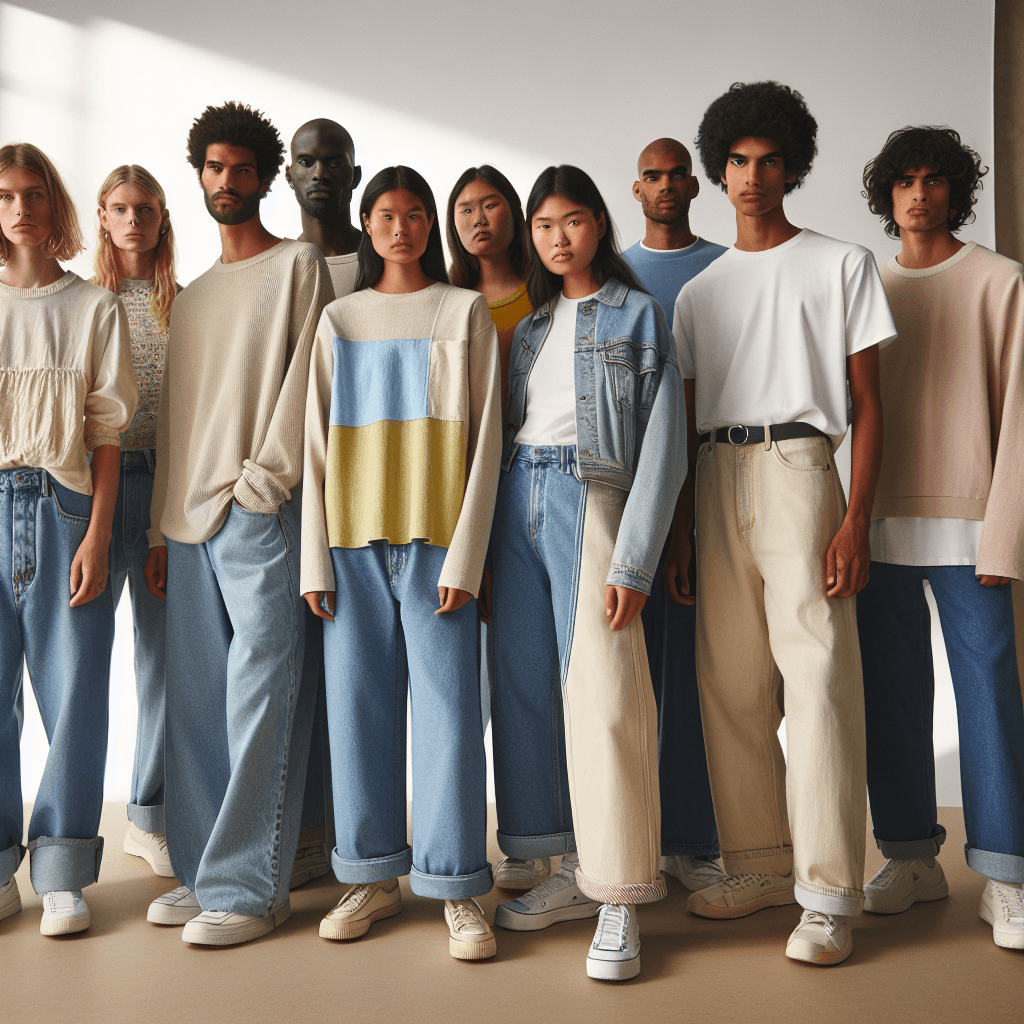
Why Monki appeals to modern wardrobes
In the apparel and fashion category, shoppers are looking for pieces that balance individuality with ease—clothes that feel good, look current, and slot into everyday life without effort. Monki has built a reputation for playful, Scandi-influenced style that is approachable in price and expressive in color, shape, and print. Whether you’re assembling a weekday capsule or searching for a statement layer, the brand’s mix of relaxed silhouettes, denim staples, graphic tops, and seasonal dresses offers an accessible entry point to contemporary style. Yet the challenge many people face is making confident online choices: selecting the right fit across varied cuts, understanding fabric blends for comfort and care, and judging how a color or print will work with the rest of the closet. If you’re starting your search, browsing monki.com gives a clear overview of current drops, core categories, and how pieces are intended to drape or layer. This guide introduces the essentials you need to navigate Monki’s offering with less guesswork. We’ll look at common fits you’ll encounter (from wide-leg denim and tapered trousers to airy midi dresses and boxy tees), note how fabrics and blends affect feel and longevity, and review practical steps to make sizing more predictable. We’ll also touch on the brand’s approach to value and how to plan outfits that serve multiple occasions—brunch to office, evening walk to low-key gathering—without overbuying. If you like a relaxed, slightly oversized aesthetic, Monki’s cuts can be friendly to experimentation; the key is learning which lines flatter your frame and which materials match your climate and care preferences. By the end, you should feel ready to shop with intention: recognizing pieces that earn repeat wear, pairing staples with seasonal accents, and balancing comfort with a confident silhouette. Rather than racing trends, you can focus on versatile forms—straight jeans, structured overshirts, easy dresses, and soft knits—that reflect an upbeat, everyday approach to dressing.
Key fits, fabrics, and sizing
Start with fit families. Monki’s denim usually spans straight, wide-leg, tapered, and relaxed mom fits, each cut to sit differently on the waist and fall distinctly through the leg. Straight and tapered jeans anchor a polished-casual uniform; wide-leg denim partners well with cropped knits or tucked button-downs; relaxed mom fits bring easy movement and a retro note. In trousers, expect elastic waists alongside flat-front styles, giving options for both comfort and structure. For dresses, you’ll see shirt, wrap-effect, smock, and slip-inspired shapes. Shirt dresses work across seasons with tights or bare legs; smock silhouettes offer breathability for warm days; slip-inspired cuts layer neatly under cardigans or blazers when you want a sleeker line. Tops and knits often lean boxy or slightly oversized, designed to drape rather than cling, which helps with layering over tees or under light outerwear. Fabrics matter as much as fit. Cotton—often in heavier twills for denim and softer jersey for tees—delivers breathability and familiar handfeel. Blends with elastane add stretch and shape retention, helpful in fitted tees or slim denim. You’ll also encounter recycled polyester in linings or outer layers and viscose or modal in dresses and blouses for a fluid, airy fall. If you prefer low-maintenance care, look for cotton-rich or blended pieces labeled machine-washable; if you want crisp drape, check for woven constructions that resist wrinkling with minimal steaming. Many shoppers also appreciate the brand’s growing use of responsibly sourced fibers; the product pages typically note material percentages so you can align purchases with comfort and care priorities. Sizing is typically presented in lettered tops and numerical bottoms, supported by measurement charts that translate to body dimensions. Because cuts can be intentionally relaxed, note garment length, shoulder width, and rise measurements to anticipate proportion on your frame. If you sit between sizes, consider your preferred silhouette: size up for extra drape and down for a tidier fit. When browsing seasonal drops and limited colorways—especially prints—it helps to check the new-in section and apply filters by size to avoid sold-out variants; in many cases, you can follow restocks or simply return to the catalog to explore offers as they rotate. Finally, think about outfit impact per piece. A straight-leg jean in a mid wash, a black midi dress with sleeves, and a neutral overshirt can support a month’s worth of looks with only a few accessory changes.
Smarter steps for checkout
A thoughtful checklist can help you select pieces you’ll keep and wear often. Begin with purpose: write down two or three settings where the item must perform—commute, low-key weekend, or casual dinner—and ensure the fabric weight and silhouette fit the context. If you’re choosing denim, confirm the rise and inseam in relation to your footwear; a wide-leg cuff that skims sneakers can feel balanced, while the same leg paired with boots may need a touch more length. For dresses, consider sleeve length and neckline depending on layering plans—shirt dresses adapt best to temperature shifts, and smock shapes thrive with cropped cardigans. When building out tops, decide if you prefer a boxy drop shoulder (great for easy drape) or a straighter shoulder with set-in sleeves for a sharper edge. Color strategy pays off. If Monki’s bolder prints call to you, anchor them with denim or a neutral overshirt to extend wear across the week. Choose one or two accent hues across a season—say, cobalt and soft lime—then link them via accessories so your outfits feel intentional rather than busy. Accessories can recalibrate silhouettes: a slim belt to define waists in a smock dress, structured totes to balance oversized knits, or simple trainers to relax a tailored trouser. On the practical side, read fabric notes for care ease; a cotton-rich knit lets you launder weekly without fuss, while viscose may need lower heat and a gentle wash bag. If you’re undecided on sizing for a new cut, compare garment measurements to a similar piece you already own. Note that availability varies by region and season, so check product pages for shipping windows and any local delivery options. For returns, review the timeframe and condition requirements before checkout to avoid surprises, especially with limited-run colors. Creating a wish list helps stagger purchases and track restocks; you can then finalize the cart on the official site when sizing and styling feel certain. With a capsule-first mindset—prioritizing denim silhouettes, layered shirting, an adaptable dress, and an easy outer layer—you’ll find that Monki’s playful aesthetic translates into real mileage, not just a single outfit moment.
Recap and next look
Monki’s appeal lies in expressive design made wearable: relaxed denim, easy dresses, boxy tops, and light outer layers that can flex across workdays and weekends. To shop with confidence, start by picking a fit family—straight or wide-leg jeans, a shirt or smock dress—and use measurements and fabric notes to fine-tune comfort, drape, and care. Expect cotton-rich staples for breathability, stretch blends for resilience, and airy woven options for clean lines. Think about proportion, from shoulder width to rise and inseam, and map each piece to two or three settings to ensure it earns repeat wear. As you build outfits, anchor bolder colors or prints with denim and neutrals, and let accessories modulate the vibe: a belt for definition, a structured bag for balance, or low-profile sneakers to relax a sharp trouser. A small, well-chosen capsule—core denim, a versatile dress, a layering shirt or overshirt, and seasonal knitwear—will keep your closet rotating without feeling crowded. When you’re ready for the next step, revisit current drops, check size availability, and confirm care details so pieces stay in circulation longer. With a clearer picture of fits, fabrics, and styling moves, you can approach each Monki browse with purpose and come away with items that look good, feel comfortable, and work hard in day-to-day life.