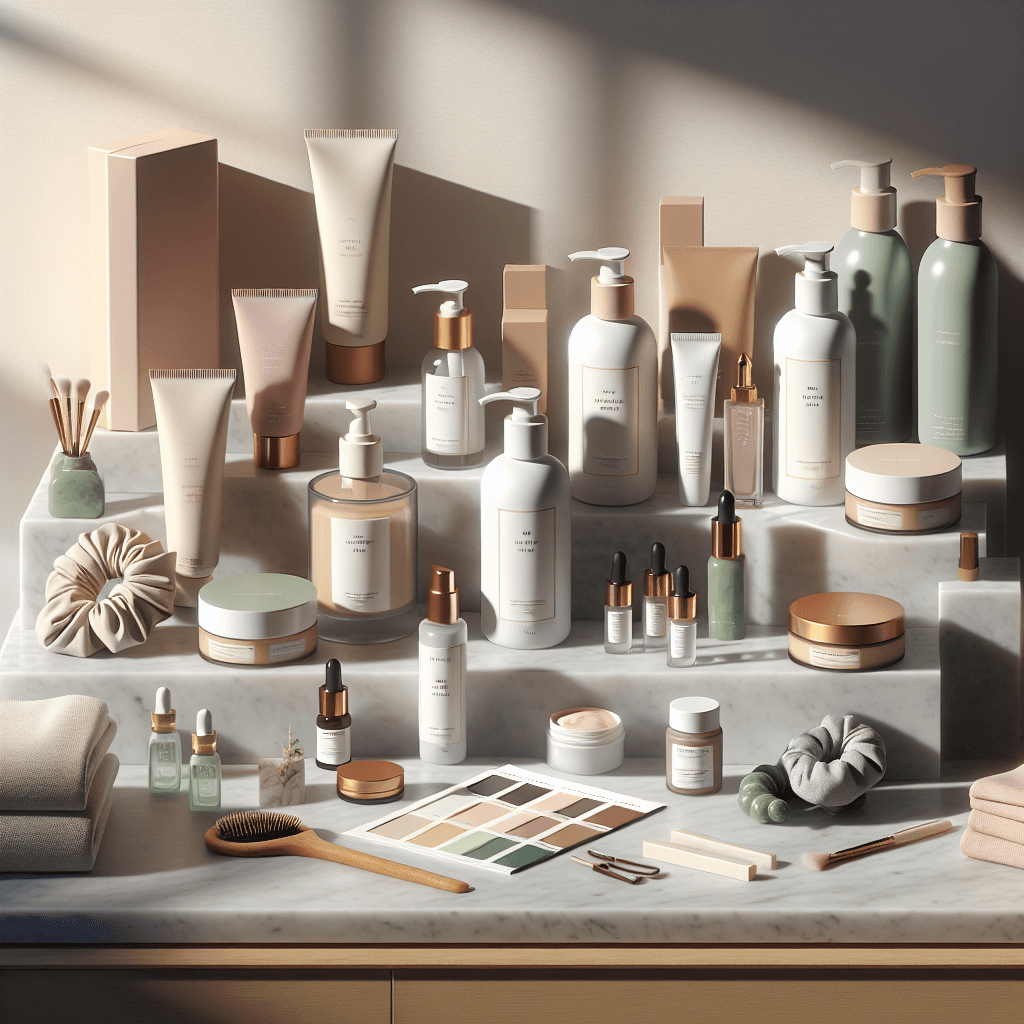
Why beauty curation matters
In the beauty and personal care category, choice can be both empowering and daunting. New launches appear weekly, ingredient trends cycle rapidly, and product claims can blur together. That is why curation—grouping products by need, routine step, or user goal—matters. It reduces guesswork and helps you move from impulse browsing to purposeful selection. The appeal of shopping with a specialist retailer is not just the breadth of brands but the way those options are organised, contextualised, and explained. If you’ve ever bought a moisturiser that felt too heavy by day, or a cleanser that stripped your skin, you already know how costly trial and error can be. A curated approach addresses this by highlighting textures, formats, and routines that align with your skin type, hair pattern, or makeup preferences, along with practical information on how to use each product. This guide shows how to navigate a curated beauty destination effectively and with confidence, using features and filters to shape a targeted shortlist. On a site like cultbeauty.co.uk, you’ll typically find categories structured around skincare, makeup, haircare, fragrance, body care, and tools, plus focused edits that revolve around seasonal needs or ingredient families. These edits save time and enable you to compare like-for-like options. Want a hydrating routine without heaviness? Filter by lightweight gel textures and humectant-leaning formulas. Building a minimalist makeup capsule? Narrow down to multitaskers that travel well and layer seamlessly. Prefer low-fragrance products or specific ingredient profiles? Use filter sets to match those requirements without scrolling through scores of irrelevant results. Good curation also sets expectations. Clear routine placement—cleanser, toner, serum, moisturiser, SPF—tells you where a product should fit, while texture notes and finish details help you anticipate how it might behave in your climate or under makeup. Beyond that, editorial content and how-to guides can help refine your choices so you buy fewer, better-fitting products. The goal is not to push more items into your basket but to ensure the ones you do buy serve a coherent routine. With a plan in place and an understanding of your priorities, you can turn an overwhelming category into a manageable and even enjoyable experience.
Build a routine that lasts
A long-lasting routine is about balance: products that complement each other, suit your lifestyle, and are easy to keep using. Start by mapping what you already own to the core steps you actually need. For skincare, most people benefit from a gentle cleanse, targeted treatment, comfortable moisturiser, and daily SPF. From there, add selectively rather than all at once—perhaps a hydrating serum in winter or a lightweight exfoliant when your skin looks dull. For makeup, think in versatile layers: a flexible base that can be sheered out or built up, a complexion product that matches your undertone, a brow or lash enhancer for definition, and a lip product that suits both office and evening. Haircare follows a similar rhythm: a cleanser that respects your scalp, a conditioner that supports your texture, and a targeted treatment to address frizz, breakage, or dryness. Consistency beats intensity. If a formula is comfortable and straightforward, you’re more likely to stick with it. Read the product page details carefully, focusing on texture descriptions, finish, and directions for frequency of use. Ingredient callouts can be helpful when they’re paired with realistic expectations. Humectants like glycerin and hyaluronic acid are often associated with surface hydration, while ceramides and fatty acids support the feel of the skin barrier; niacinamide is frequently chosen for its versatility across different skin types. If you’re trying new actives, introduce one at a time and consider a patch test. When in doubt, and especially for persistent skin or scalp concerns, consult a qualified professional for personalised guidance. To make your budget work harder, look for discovery sets and full-size bundles that prioritise compatibility over novelty. Seasonal edits and gift-with-purchase events can be a cost-effective way to test textures before committing to a larger routine. As you compare carts, factor in price per millilitre and the number of uses you can reasonably expect based on your routine cadence. Customer reviews can offer practical notes on scent, spreadability, and wear, though it’s wise to weigh feedback against your own skin or hair profile. If you’re planning a refresh or a seasonal swap, it can be helpful to explore offers and sets that match your goals rather than buying single items in isolation. Over time, this approach yields a cohesive kit that feels easier to maintain and more satisfying to use.
Buying tips and next steps
Turn browsing into a plan by defining two or three priorities before you add anything to your basket. Examples include “lighter daytime hydration,” “balanced scalp care,” or “soft-focus makeup base.” With your goals set, use filters to match texture, finish, and key ingredients. Compare product sizes carefully; a small but concentrated serum may outlast a larger, watery formula. Check whether a product is best suited for morning, evening, or flexible use, and think through how it will fit under makeup or alongside your existing hair styling routine. If you wear SPF daily, consider its weight and finish relative to your moisturiser and base makeup—small tweaks here can improve comfort and reduce pilling. Sampling is another strategic step. Mini sizes and discovery kits can prevent mismatches, especially when choosing between textures (balm versus gel cleanser, cream versus fluid moisturiser) or undertones in complexion products. For makeup, swatch guidance and undertone explainers are useful, but natural-light checks remain the most reliable; if you’re between shades, note the season and your typical sun exposure to decide which direction to lean. For haircare, think in terms of porosity and pattern: low-porosity hair may prefer lighter layers and slower absorption, while high-porosity textures often appreciate richer conditioners and sealing oils. It’s also worth considering sustainability and storage. Products with airless pumps can help protect textures from repeated exposure to air, while opaque packaging may better preserve light-sensitive formulas. Store products in a cool, dry place and note the period-after-opening symbol; cycling through open items methodically reduces waste. Review return policies and shipping options in advance, especially if you’re assembling gifts or planning around an event date. Loyalty programmes can add value over time through perks and previews, but approach them as a bonus rather than a reason to overbuy. For ingredient education, routine placement, and delivery details, you can learn more directly on retailer pages that summarise usage and care. Finally, track your favourites and empties; a quick monthly review of what you finished—and loved—will guide smarter repurchases and a tighter, more effective collection.
Essential takeaways
Shopping beauty and personal care products gets easier when you translate inspiration into structure. A curated retailer like cultbeauty.co.uk can help you filter by need, texture, and routine step, reducing trial-and-error and keeping purchases aligned with your goals. Build from the basics first—gentle cleansing, targeted treatment, comfortable moisture, and daily SPF—then add selectively. Read texture and usage notes closely, check sizes and value, and introduce new actives gradually. Minis and discovery sets are practical for shade matching and texture testing, while loyalty benefits and seasonal bundles can stretch your budget if they fit your plan. Keep sustainability and storage in mind, rotate open products to limit waste, and familiarise yourself with delivery and returns before you check out. Most importantly, measure success by consistency and comfort rather than constant novelty. With a short list of priorities and a clear routine map, your basket becomes more intentional, your shelf less crowded, and your daily regimen more enjoyable. When you’re ready to refine, revisit your favourites and empties—they are your most reliable guide to what truly works for you.