Why meal kits fit modern kitchens
Meal kits have quickly become a practical solution within the food and grocery category, bridging the gap between the convenience of delivery and the satisfaction of home cooking. For many households, the biggest friction points—planning, shopping, portioning, and avoiding food waste—tend to crop up on weeknights when time is short and energy is low. Services like cook.gousto.co.uk help simplify the decision-making process while still giving you control over ingredients and techniques. Instead of facing an open-ended question—what should we cook?—you select from a curated list of recipes, receive measured ingredients, and follow step-by-step instructions tailored to everyday home kitchens. This structure offers a composed approach to mealtime that can reduce last-minute supermarket runs and the stress of juggling multiple tasks after work. When you browse menus on cook.gousto.co.uk, you’ll notice that recipes are designed to be approachable and replicable, even if your knife skills or pantry staples are still developing. The methodical format—prep, cook, plate—gives you a reliable path, minimizing guesswork. This is especially useful for cooks who want to learn by doing: you can gradually pick up techniques like balancing acidity and richness, cooking proteins to the right doneness, or pacing side dishes so everything lands on the table warm. Beyond convenience, meal kits can be a helpful way to standardize portions and reduce leftover odds and ends. Because ingredients arrive in specific quantities, you’re less likely to buy a full jar or a large bunch of herbs only to use a small amount. For busy families and couples, that can translate into less food sitting around unused. There’s also the variety factor: rotating choices encourage you to try new flavors and cuisines, which keeps dinnertime interesting without adding research time. If you’re managing dietary preferences, this kind of structured menu can assist with filtering options in a straightforward way. Of course, no single model fits every kitchen. Some home cooks love the discovery but still enjoy a weekly market trip; others prefer to outsource planning entirely. The benefit of a service like this is flexibility—you can choose the number of recipes, servings, and delivery windows that suit your household rhythm. Over time, you can build a repertoire of favorites, revisit them, and use the steps as a template for experimenting with your own tweaks. With a bit of routine, meal kits can feel less like a novelty and more like a dependable part of your weekly cooking plan.
What to expect in each Gousto box
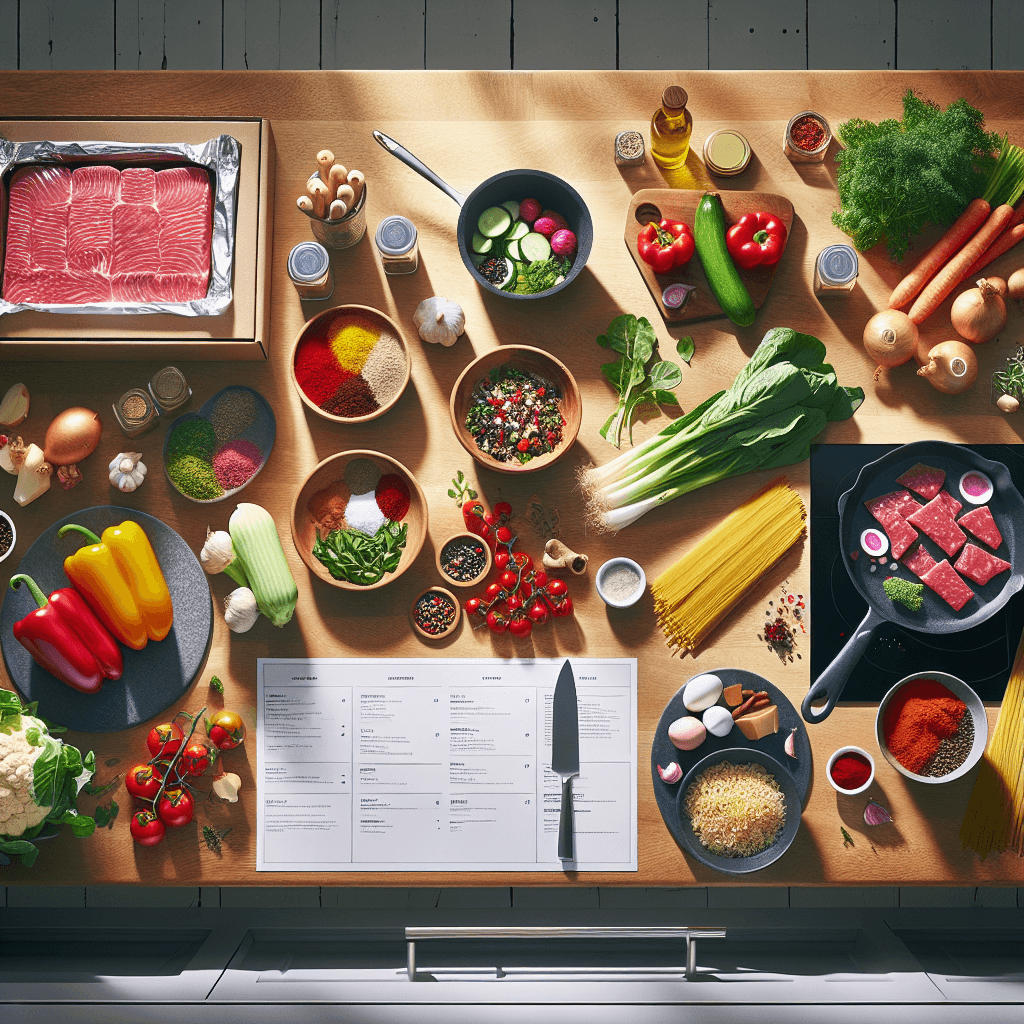
A typical box from cook.gousto.co.uk is centered on curated recipes and precisely measured ingredients. You pick the dishes you want, and the box arrives with the components and a clear guide that usually outlines prep time, tools, and any pantry items you might need (such as oil, salt, or pepper). This structure is designed to streamline the cooking process without removing the tactile, hands-on aspects that make home cooking rewarding. If you enjoy trying new flavors but prefer to avoid shopping for unfamiliar spices or buying more than you’ll use, a pre-portioned approach can be particularly helpful. Menus usually include a wide selection that rotates regularly, spanning lighter salads, quick weeknight pastas, tray bakes, rice and noodle bowls, familiar classics, and bolder global-inspired plates. You might find options built around poultry, fish, meat, or plant-based proteins, along with sides that fold in fresh vegetables, herbs, and grains. Because choice changes over time, you can experiment with a mix of simple midweek recipes and slightly more involved weekend projects, balancing your schedule with your appetite for variety. Packaging is purpose-built to keep items organized and protected in transit, with insulated materials around chilled components and clearly labeled ingredients so you can sort by recipe. While packaging requirements vary by season and contents, you’ll typically find that proteins and dairy are separated from produce and dry goods to help maintain quality. Most services also share guidance about storage and best-by dates so you can prioritize what to cook first. If you’re new to meal kits, a quick fridge reorganization on delivery day—designating a shelf for the week’s recipes—can make a big difference in reducing midweek rummaging. Ordering works on a simple cycle: you choose a box size, pick recipes, and select an available delivery slot. Many customers appreciate that you can adjust the number of recipes per week, skip a week when you’re away, or pause and resume as needed. If you are price-conscious, keep an eye on introductory promotions and bundles; you can often explore offers and seasonal menus to see what aligns best with your habits. While pricing structures can vary and may change over time, the underlying value often hinges on reduced decision fatigue, right-sized portions, and the skills you pick up along the way. As for the cooking itself, recipe cards are designed for clarity. Many include time estimates, allergen information, and sequencing details so you can coordinate components without feeling rushed. If you’re juggling multiple dishes or cooking with a partner, consider assigning roles or steps. The aim is to bring order to meal prep while preserving the hands-on satisfaction that comes from producing a fresh, well-timed dinner.
Planning, personalizing, and saving time
Once you’ve decided to try cook.gousto.co.uk, the most effective way to integrate it into your routine is to plan around your actual week, not an idealized one. Start with a realistic count of how many nights you’ll cook at home and choose recipes that fit each day’s rhythm. On nights with back-to-back commitments, pick dishes labeled for speed or minimal prep; on open evenings, consider options that let you practice new techniques or build flavor with slower simmering. This alignment between menu and schedule helps reduce stress and ensures the box works for you rather than the other way around. When browsing, look at the level of effort as much as flavor. A balanced week might include a quick skillet meal, a one-pan bake, a hearty grain bowl, and a fresh, veg-forward dish. Scan ingredient lists for any items you want to use up in your fridge; for example, if you already have lemons or a half bunch of parsley, choose recipes that incorporate acidity and herbs. Over time, you’ll learn which cuts of protein, spice blends, and cooking techniques you enjoy most. Many home cooks discover that certain base techniques—like building a simple pan sauce, roasting vegetables for caramelization, or blooming spices in oil—become second nature and translate well to future meals. To make the most of your delivery, set aside 10 minutes to triage ingredients: move proteins to the coldest part of the fridge, separate delicate herbs from heartier produce, and stack recipe cards in the order you plan to cook them. This small upfront investment often prevents midweek delays. If a recipe calls for marinating, consider mixing the marinade when you unpack so the protein is ready to go later. For households with different taste preferences, keep condiments like hot sauces, citrus wedges, and fresh herbs on hand so each person can adjust their plate at the table. Reducing waste is another advantage of thoughtful planning. Because quantities are portioned, there’s less risk of overbuying, but there are still smart ways to stretch value. If a recipe produces extra sauce or cooked grains, save them for a simple lunch the next day. Leftover roasted vegetables can be folded into omelettes or salads. Keep a small container of mixed cooked odds and ends to repurpose at week’s end. You can also check storage guidance and recycling information on the official site to make sure you’re handling packaging responsibly. Finally, remember that meal kits are a tool, not a rule. If you feel confident tweaking seasoning, adding a squeeze of lemon for brightness, or reserving a bit of pasta water for silkier sauces, go for it. The clearest sign that your setup is working is when dinner feels manageable and repeatable. With a few weeks of practice, you’ll likely find a cadence—how many recipes to order, which delivery slots suit you, and how to fit prep into your schedule—that turns cooking from a chore into a steady, rewarding habit.
Recap and how to move forward
Meal kits from cook.gousto.co.uk aim to simplify weeknight cooking through curated menus, measured ingredients, and step-by-step guidance that supports both new and seasoned home cooks. The core value lies in streamlining planning, reducing last-minute shopping, and offering variety without the overhead of researching new recipes each week. By aligning choices with your real schedule, organizing your fridge on delivery day, and adopting small habits—like triaging ingredients and repurposing leftovers—you can make the service work efficiently for your household. Over time, you’ll learn which flavors, techniques, and prep styles suit you best, allowing you to build a manageable rhythm that balances convenience and culinary curiosity. If you’re seeking a structured way to cook more at home, keep waste in check, and pick up practical kitchen skills, a rotating, flexible menu can be a useful addition to your food and grocery routine. When you’re ready, explore the week’s options, choose a sensible number of recipes for your calendar, and start with approachable dishes to build momentum before branching out to bolder flavors.