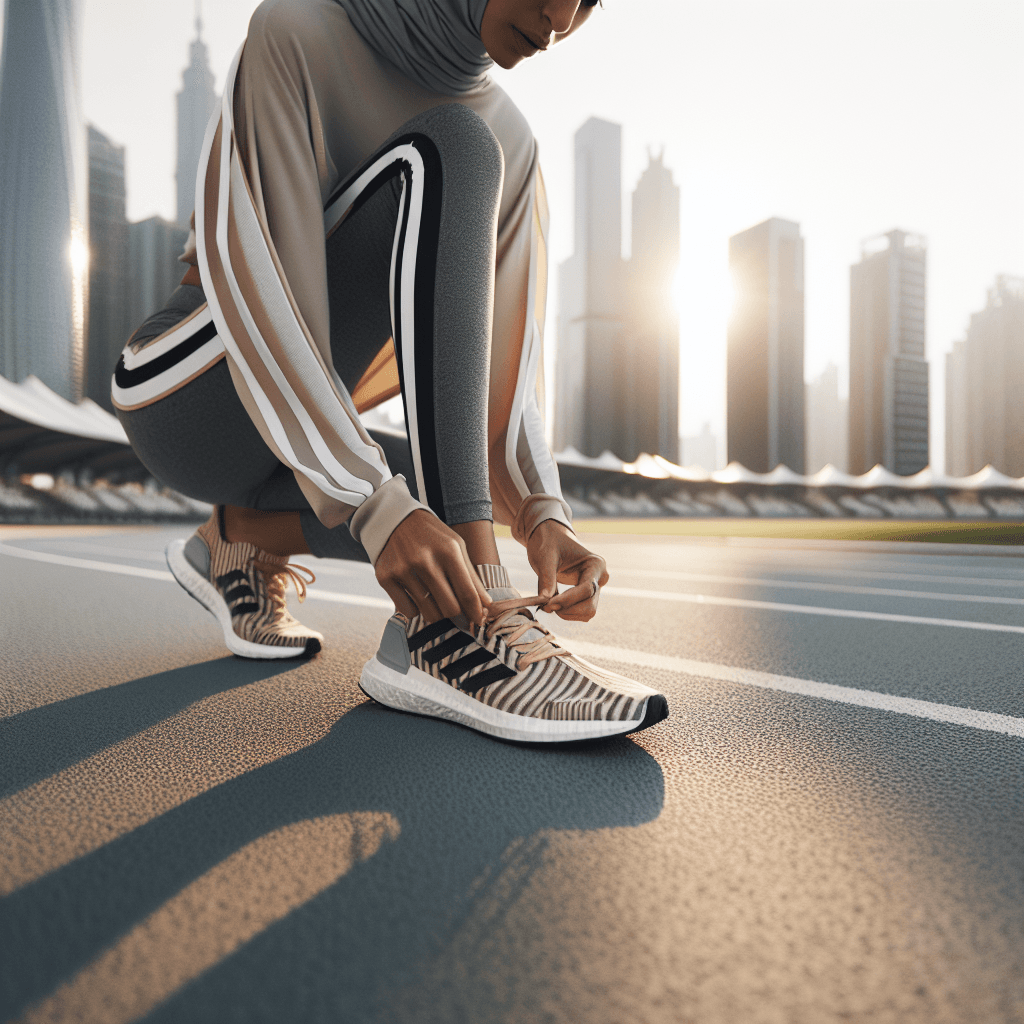
Why fit and function matter
Selecting the right sportswear and footwear can have a meaningful impact on comfort, confidence, and consistency in any training routine. Within the health, fitness, and sports category, adidas has built a broad ecosystem of shoes and apparel that aims to balance performance-focused materials with everyday versatility. The challenge for many shoppers is not whether high-quality gear exists, but how to navigate the range of options in a way that aligns with real-world needs—such as weekly mileage, gym frequency, surface type, climate, and personal fit preferences. The goal of this guide is to translate technical features into straightforward choices so you can move more comfortably, whether you’re running your first 5K, cross-training at home, or mixing active commutes with weekend workouts. A helpful place to begin is by clarifying the primary activity you want the gear for. Running shoes, for example, are typically built with cushioning systems and rockered geometries that support repetitive forward motion, while training shoes often emphasize side-to-side stability and flatter bases that can feel more grounded during strength or mobility work. Apparel follows a similar logic: breathable tees and shorts with moisture-wicking fabrics shine during high-output sessions, while warmer layers and wind-resistant shells make outdoor sessions more comfortable across seasons. The same thinking applies to ball sports, court workouts, or indoor cycling—each activity has patterns of movement that influence the ideal blend of cushioning, traction, and support. Understanding materials can also simplify decisions. Knit uppers are often flexible and sock-like, woven uppers can feel a bit more structured, and engineered meshes typically prioritize breathability. Midsole foams vary in firmness and rebound, which affects how soft or springy a shoe feels underfoot. Outsoles differ by rubber compounds and patterns designed for traction on pavement, treadmills, grass, indoor courts, or turf. Apparel fabrics range from airy, sweat-managing blends for hot days to insulated or weather-resistant textiles for cold or damp conditions. If you’re just starting to compare options, browsing the current collections on adidas.com can help you see how these choices align with product descriptions and activity tags. As you read on, keep in mind that the right choice is the one that suits your routine and feels good when you move. Feet vary in shape, arches, and sensitivity, so two equally well-made shoes may feel very different from person to person. Similarly, training styles and climates differ widely; what works for a coastal jogger may not be ideal for someone lifting in a dry, high-altitude environment. Framing your selection around your most common sessions, your preferred feel underfoot, and the conditions you face most often will help you filter the adidas lineup to a shortlist tailored to you.
Key features and choices
When comparing adidas footwear, start by matching models to your primary use. For running, daily trainers provide a balanced feel suitable for most miles, while lightweight speed-oriented models prioritize snappy transitions for tempo days or events. Plush cushioned options can feel more protective on longer efforts. Look at midsole descriptions to understand the ride: some foams emphasize soft landings and steady roll-through, others deliver a firmer platform with energetic rebound. Outsole details also matter—road-focused patterns are typically smoother with durable compounds for pavement, while grippier lugs or turf-specific rubbers serve better on fields, dirt paths, or artificial surfaces. Training shoes differ by stability and platform shape. A flatter, broader base can feel secure for lifts, and a modestly flexible forefoot supports multidirectional moves during circuits or classes. Court and field footwear are tuned to movement patterns in those sports; dedicated soccer boots, for instance, come in firm-ground, turf, and indoor variants, each with stud or tread layouts matched to surface type. If you transition between activities, a versatile cross-trainer may be a more efficient choice than owning multiple specialty pairs at once, though specialists will usually appreciate purpose-built designs for their main sport. Apparel complements these footwear decisions. Look for moisture-wicking tops and shorts during warm-weather sessions; breathable meshes and quick-drying blends can keep you comfortable when intensity spikes. In cooler conditions, lightweight baselayers paired with wind- or water-resistant shells improve comfort without adding unnecessary bulk. Tights, joggers, and track pants vary in warmth and stretch; consider whether your sessions are high mobility or more static. For many, the sweet spot is a modular setup that mixes a reliable warm-weather kit with a couple of transitional layers as temperatures swing. If you want a quick overview before narrowing your list, you can skim product pages to see features like fabric blends, weight, and recommended activities. Fit is the final piece of the puzzle. Some adidas running shoes fit true to size, while others may feel snug through the midfoot or more generous in the toe box depending on the last and upper design. Reading product fit notes and checking size charts helps set expectations before you buy. If your foot is wider or you prefer a roomier forefoot, consider models known for accommodating shapes or look for knit uppers that offer more give. With apparel, note the stated fit (slim, regular, loose) and prioritize mobility in your dominant movement patterns. Choosing socks with appropriate cushioning and height can also refine the in-shoe feel and reduce distractions during workouts. Shoppers often ask about durability and value. Longevity depends on usage patterns, terrain, and gait, so it’s helpful to rotate pairs if you train frequently and to reserve clean tread for indoor-only sessions when possible. Price points span from entry options to premium flagships with advanced foams and technical uppers. There’s usually a suitable pick at most budgets; focus on matching features to your routine rather than chasing specs that don’t serve your primary training.
How to choose and care
A practical selection process starts with a short checklist of your real habits: which activities you do most, where you train, and how you like your shoes and clothes to feel. For runners, note your typical weekly mileage, main surfaces, and whether you want a more cushioned or more responsive ride. For gym-goers, consider the balance between stability for lifts and flexibility for dynamic moves. If you play field or court sports, identify the exact surface—firm ground, turf, indoor court—so your traction pattern and stud or tread type match your environment. Measure both feet later in the day when they’re slightly expanded from activity, and use size charts to guide your choice. If you’re between sizes, think about your sock thickness and whether you prefer a closer wrap or a touch more room. After your pair arrives, a brief at-home test on clean floors can confirm comfort in basic moves: short jog-in-place, gentle lateral steps, a few bodyweight squats or lunges to sense forefoot flex and heel hold. With apparel, perform a full range of motion to ensure seams, hems, and waistbands stay put without pinching or riding up. Care routines preserve performance and appearance. After sweaty sessions, air out shoes by removing insoles and letting them dry at room temperature; avoid direct heat sources that can warp materials. Brush off dry dirt before spot-cleaning with mild soap and water. For apparel, follow care labels closely, wash similar fabrics together, and skip harsh chemicals or high heat when possible to maintain fabric integrity. Rotating gear so items have time to dry fully can also extend their usable life. Timing your purchase can be as strategic as your training plan. New colorways and seasonal drops often refresh core models, while occasional promotions create opportunities to round out your kit. Signing up for brand communications can help you stay aware of updates on fits, fabrics, or silhouettes you rely on, and browsing the official site before peak seasons can improve size and color availability. If you train year-round, consider setting a reminder to evaluate shoe tread and apparel staples every few months so you can replace items proactively rather than scrambling right before an event or a change in weather. Ultimately, the right adidas setup supports your routine without demanding constant thought. When your shoes feel secure yet natural and your apparel moves with you, it’s easier to focus on the workout instead of the wardrobe. Keep your choices grounded in the activities you perform most, refine through careful fit checks, and maintain your gear with simple habits. That approach delivers steady comfort and consistency, which matter more than chasing every new spec sheet.
Recap and next steps
Choosing adidas footwear and sportswear becomes simpler when you match products to your primary activities, pay attention to fit, and consider the conditions you face most often. Running-specific shoes prioritize cushioning and forward efficiency, while training pairs emphasize stability and multidirectional control; court and field options tune traction for their surfaces. Apparel choices follow the same logic, with breathable layers for heat and protective shells for wind or light rain. Fit remains the anchor for comfort and consistency, so use size charts, factor in socks, and test basic movements at home. Materials and care make a difference over time: let shoes dry naturally, clean them gently, and follow apparel care labels to preserve performance. Budget-wise, look for the features that support your actual routine rather than choosing specs that won’t be used. When in doubt, revisit product descriptions and user guidance to narrow your shortlist. With a clear understanding of your training patterns and preferences, you can assemble a reliable kit that supports daily movement across the health, fitness, and sports spectrum. As seasons change or goals evolve, return to these same principles to update individual pieces with confidence.